What Makes a Retaining Wall Last Decades Not Years
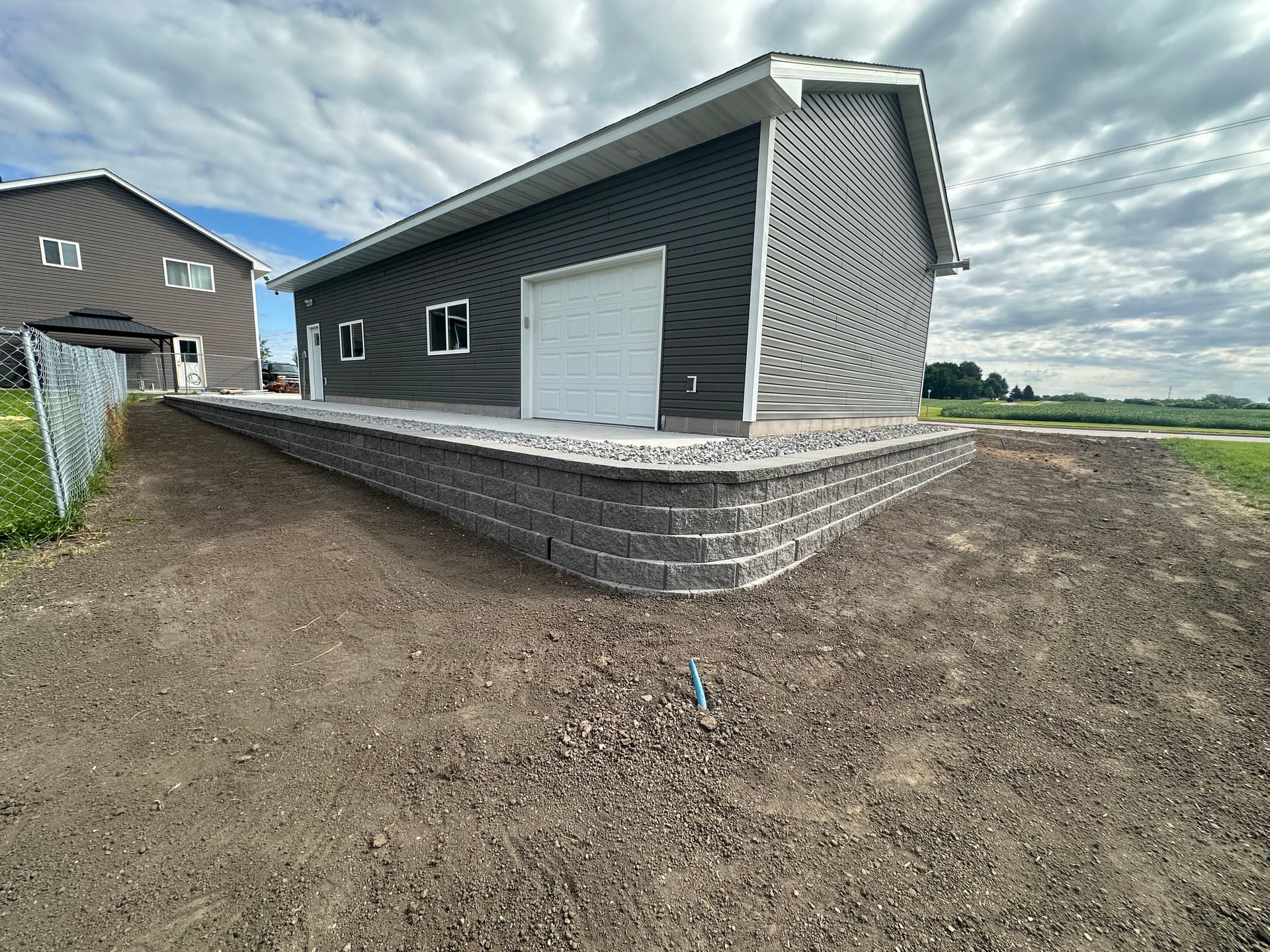
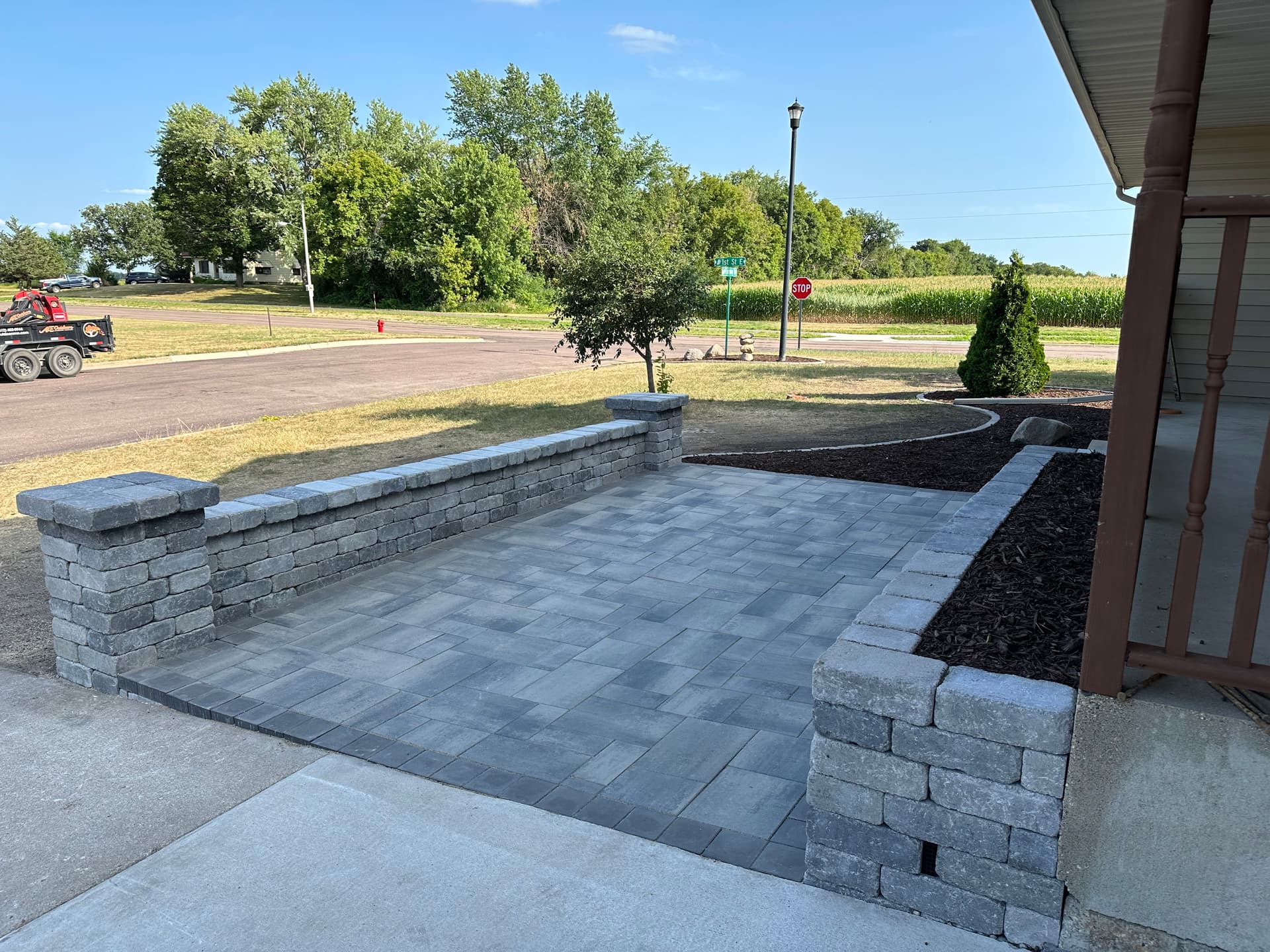
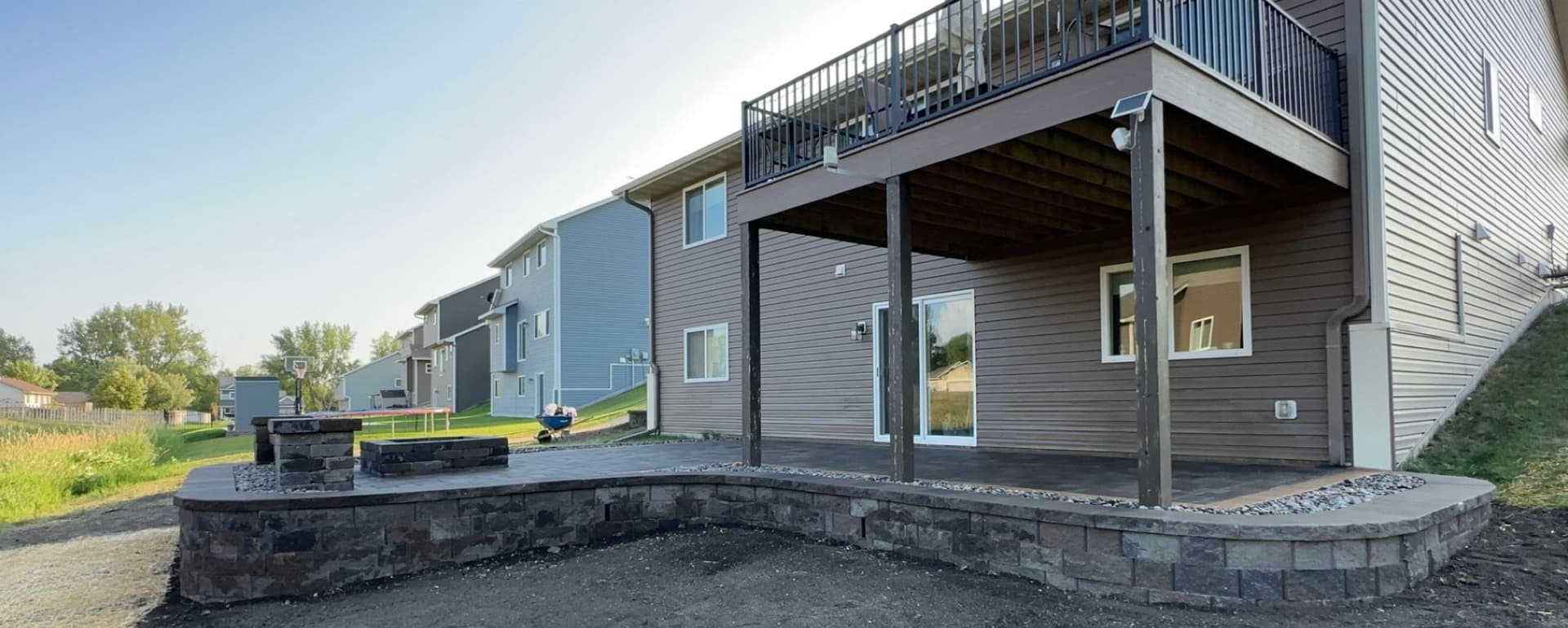
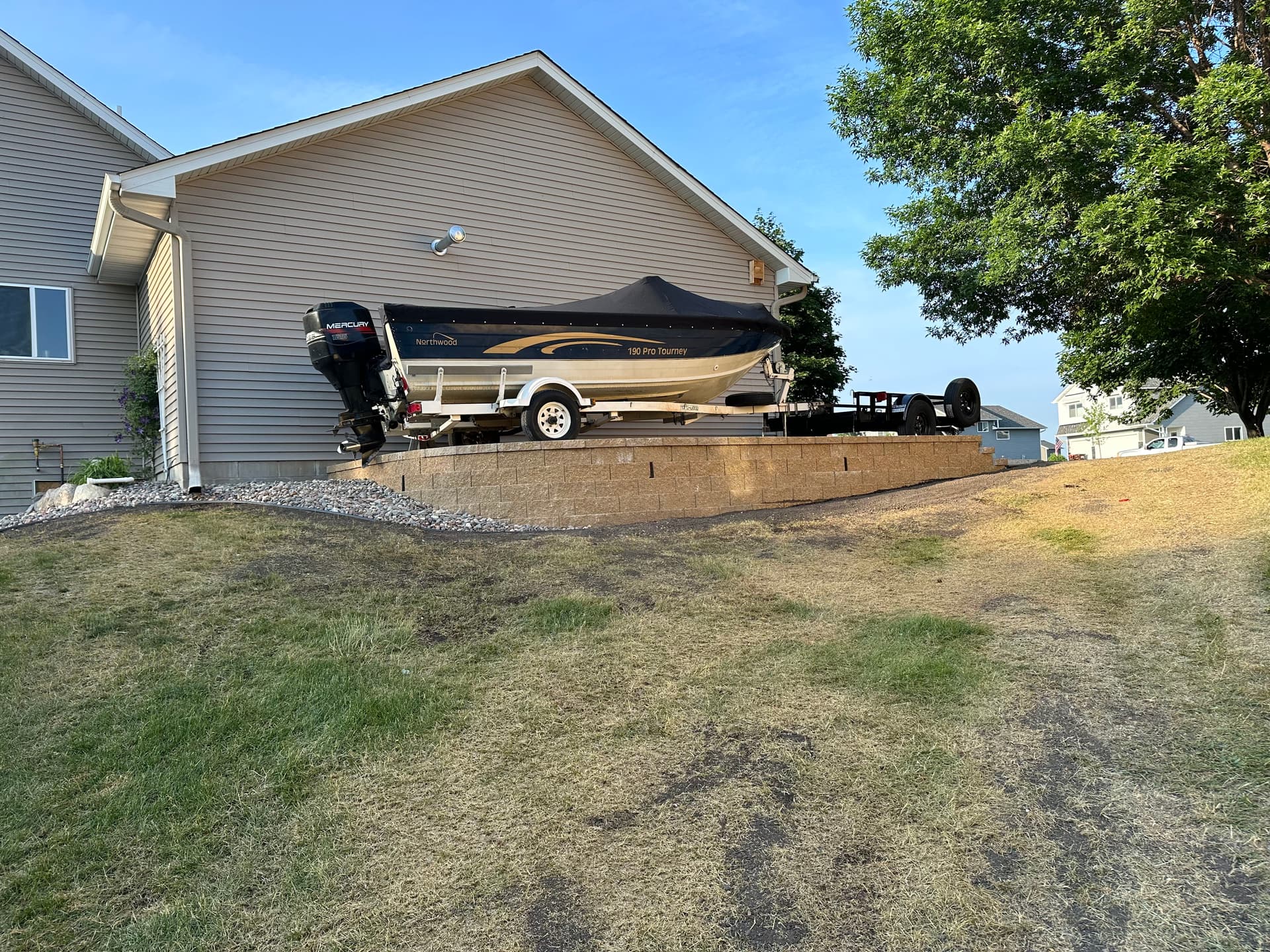
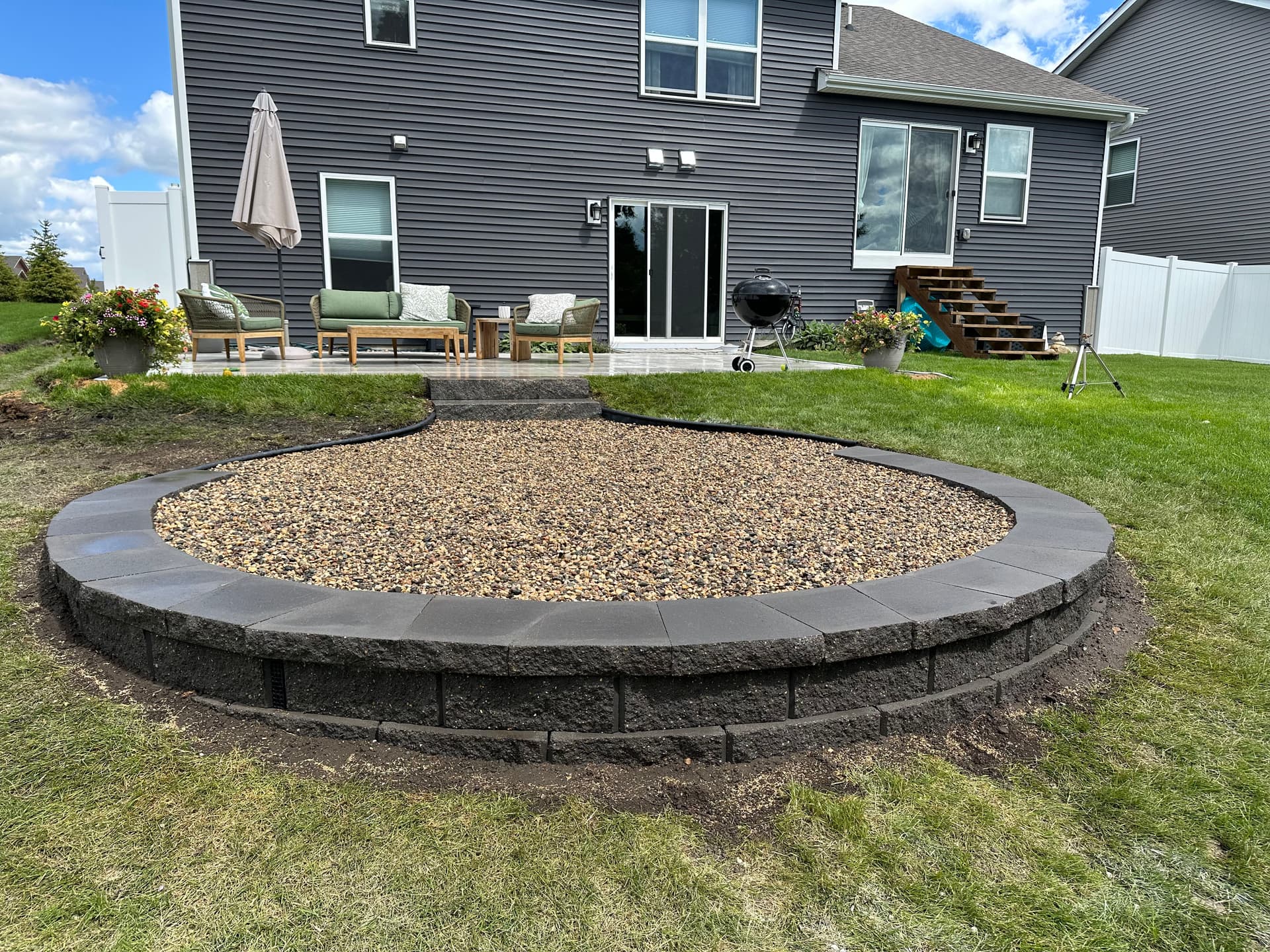
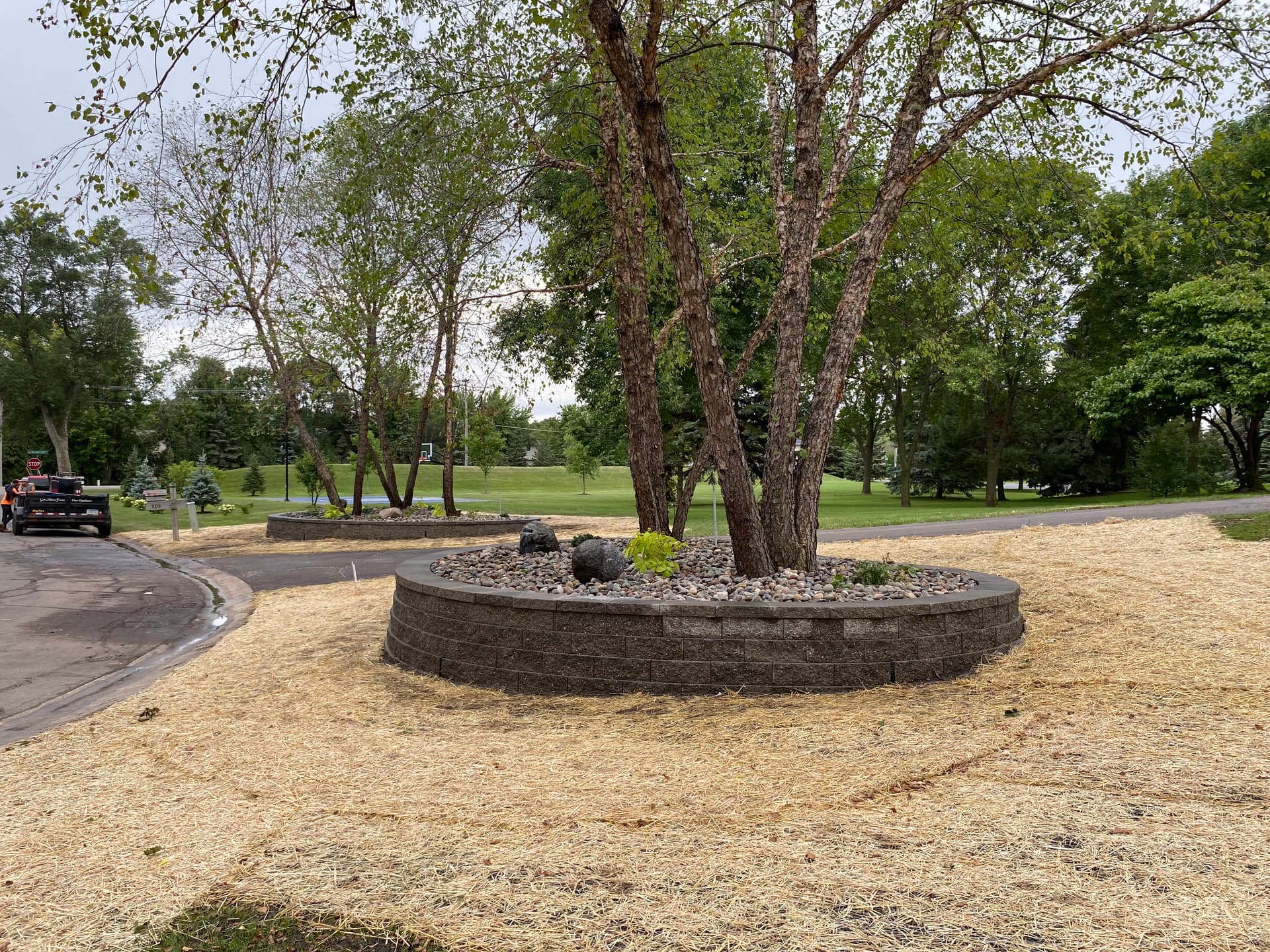
Most people focus on how a retaining wall looks. The block color, the texture, how it fits with the house. That part matters - but it's honestly the easiest part of the job. What actually determines whether a wall holds up for 20+ years or starts leaning after a few Minnesota winters? Everything you can't see once the job is done.
Water is the real enemy of any retaining wall. When water has nowhere to go behind a wall, pressure builds up over time. That pressure pushes. Eventually, the wall moves, cracks, or fails outright. It doesn't happen overnight, but it's almost always the reason walls built without proper drainage end up needing to be rebuilt. We've seen it firsthand on job after job.
Every retaining wall we build at A&E Outdoors includes proper excavation and base preparation, a compacted foundation, drain tile behind the wall, a clear drain rock zone, and thorough backfilling and compaction as we go. None of that is visible once the wall is finished - and that's kind of the point. The work that holds everything together is the work that gets buried.
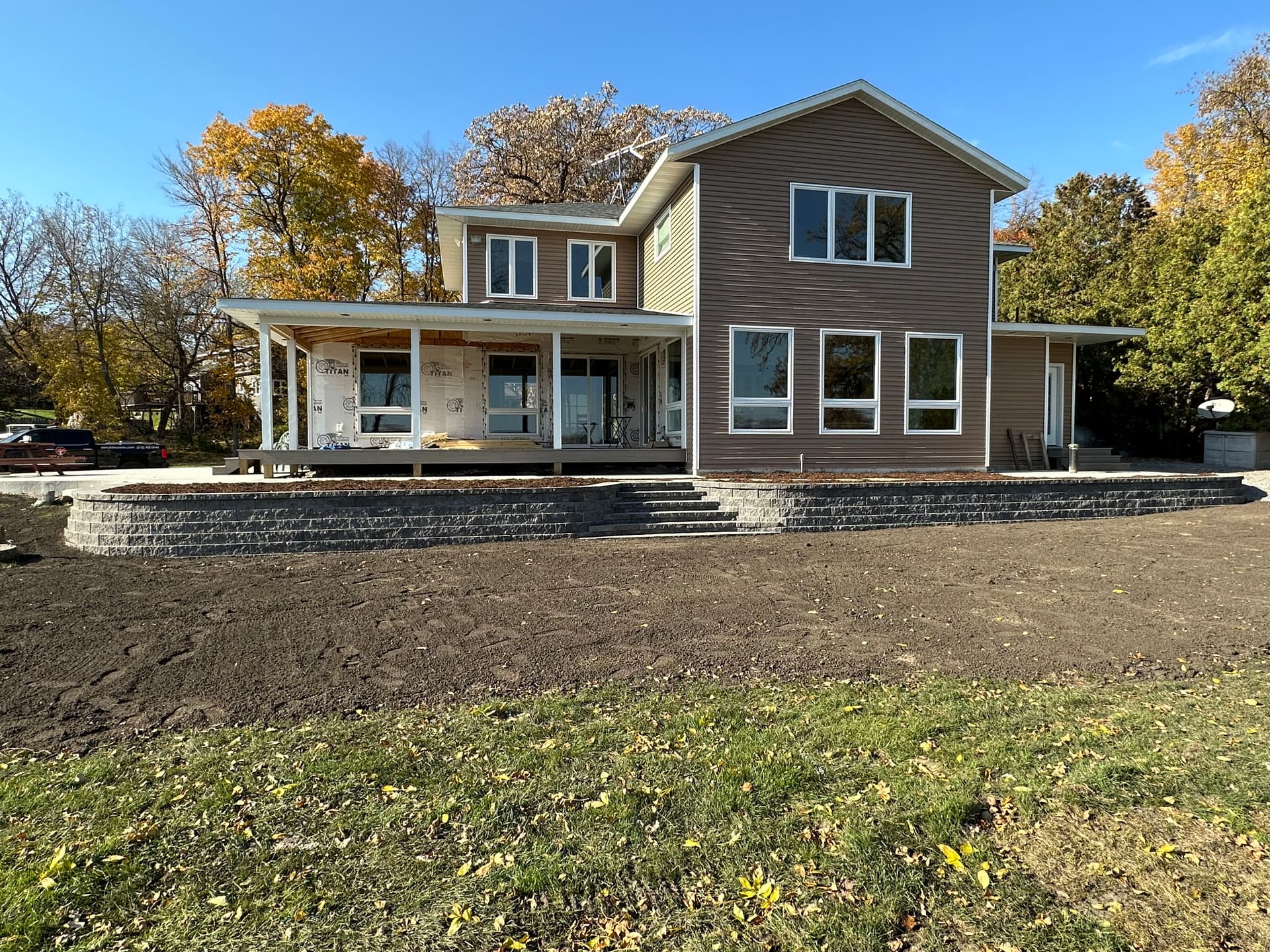
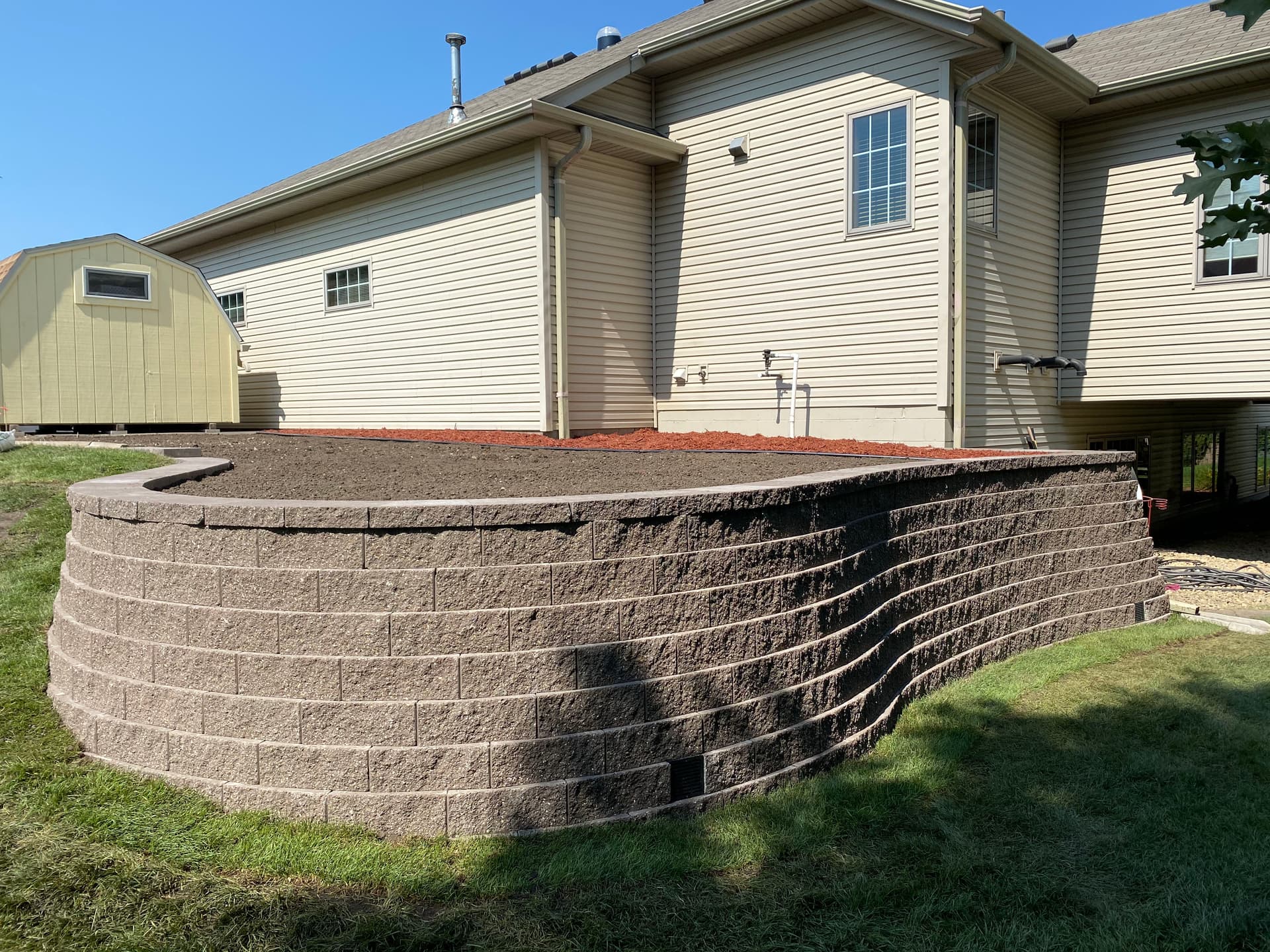
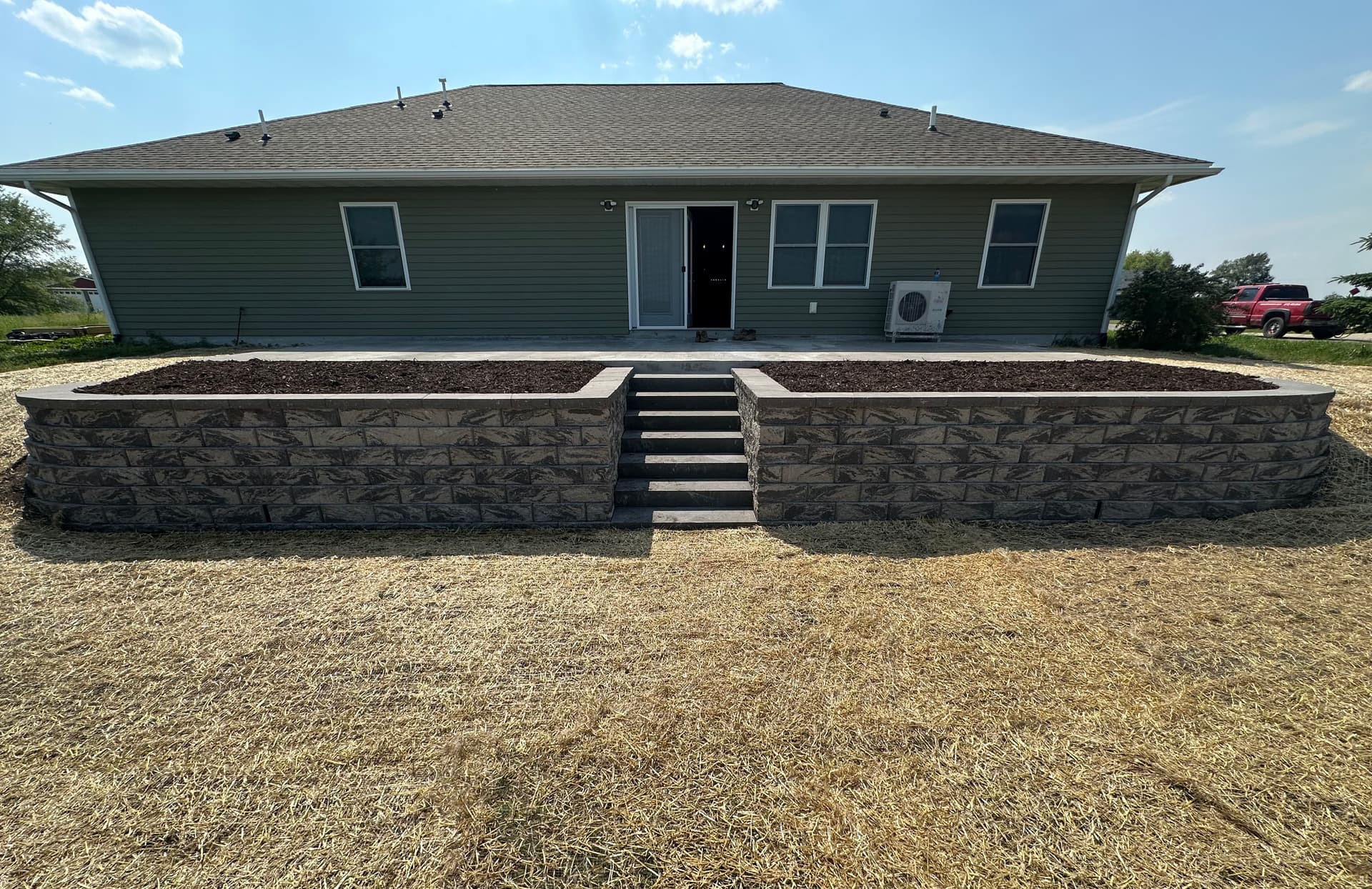
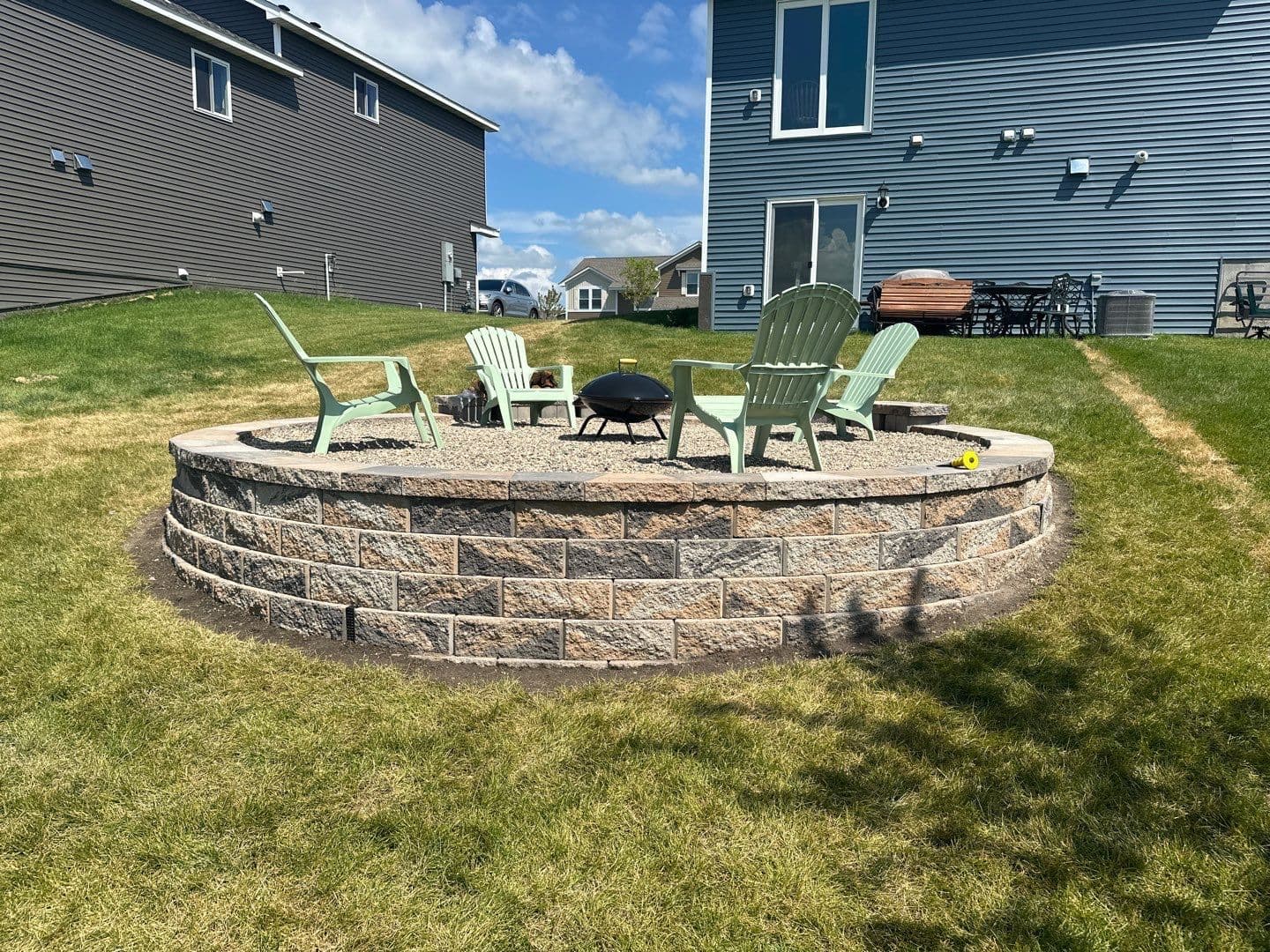
That's true whether we're building a simple garden wall, a large tiered retaining wall around a new build, a curved wall in a backyard, a fire pit surround, or a seat wall on a paver patio. The visible hardscaping is what catches your eye. The system behind it is what keeps it performing year after year.
If you've got a wall that's starting to show movement, or you're planning a new retaining wall and want it done right the first time, we're happy to talk through what's involved. The foundation work isn't glamorous - but it's everything.