What a Paver Patio Looks Like Built the Right Way
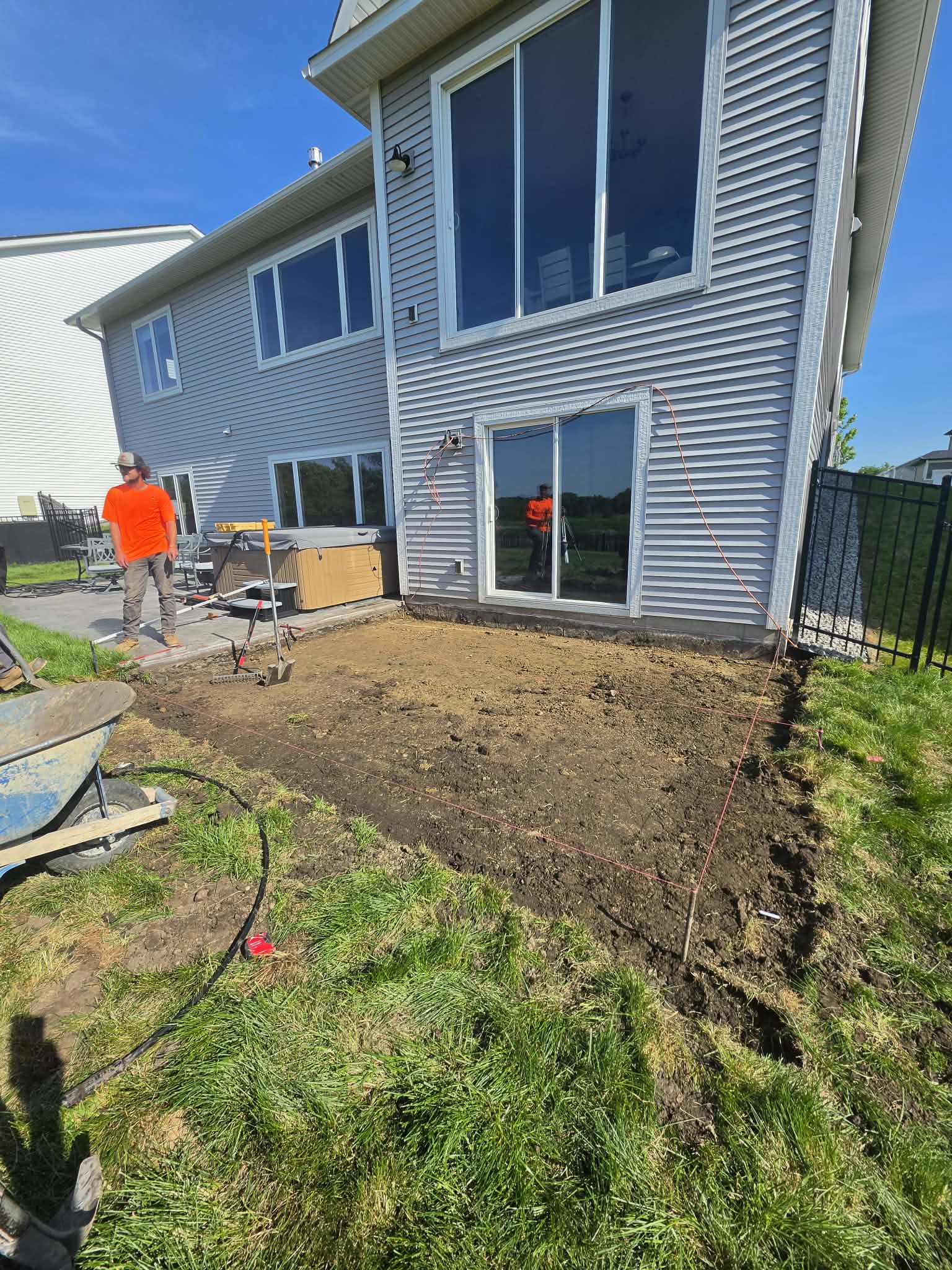
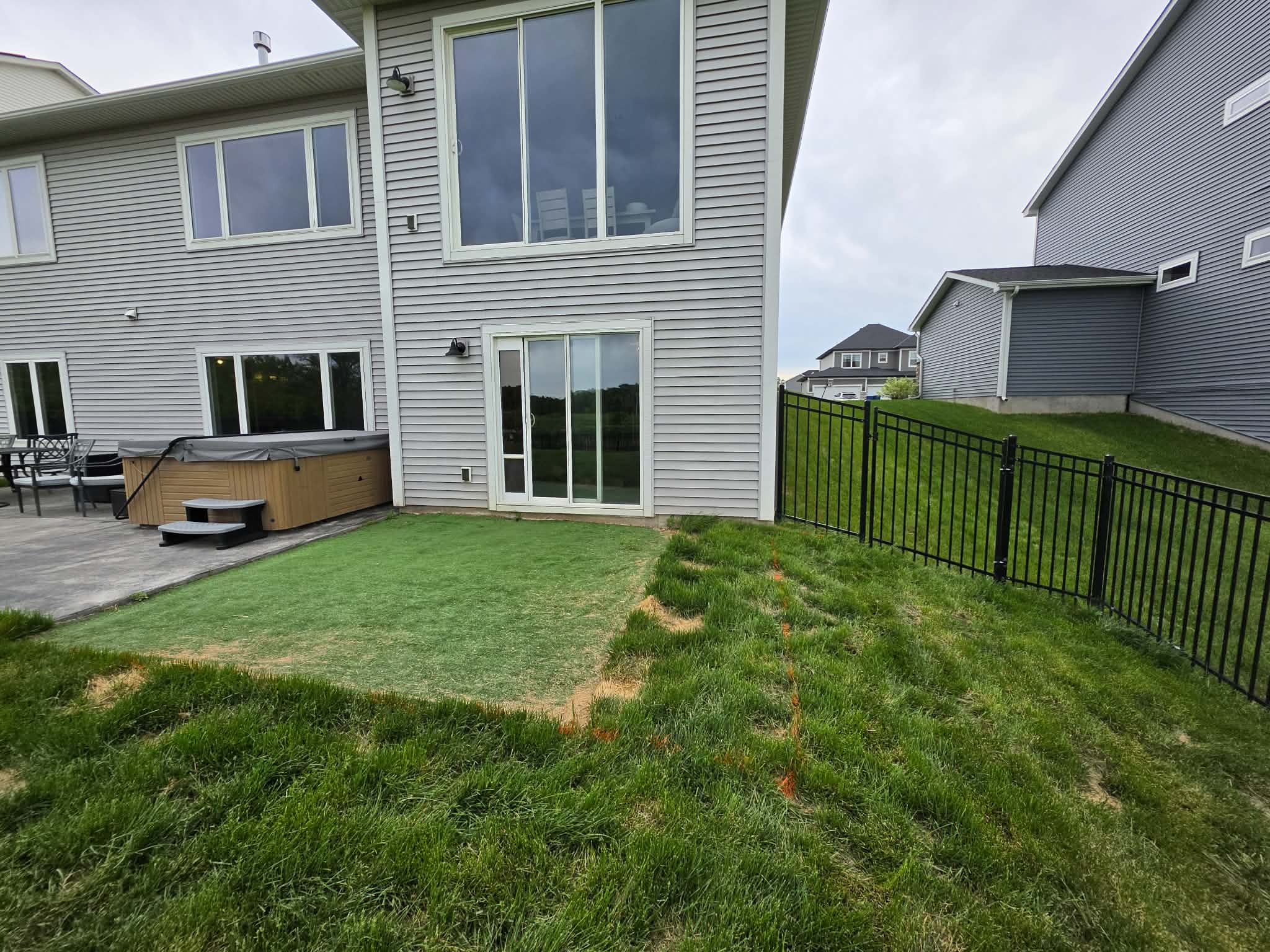
Most homeowners shopping for a patio are focused on one thing - what it looks like on day one. The color, the pattern, the finish. And honestly, that stuff matters. But it's not what determines whether your patio looks just as good five or ten years from now.
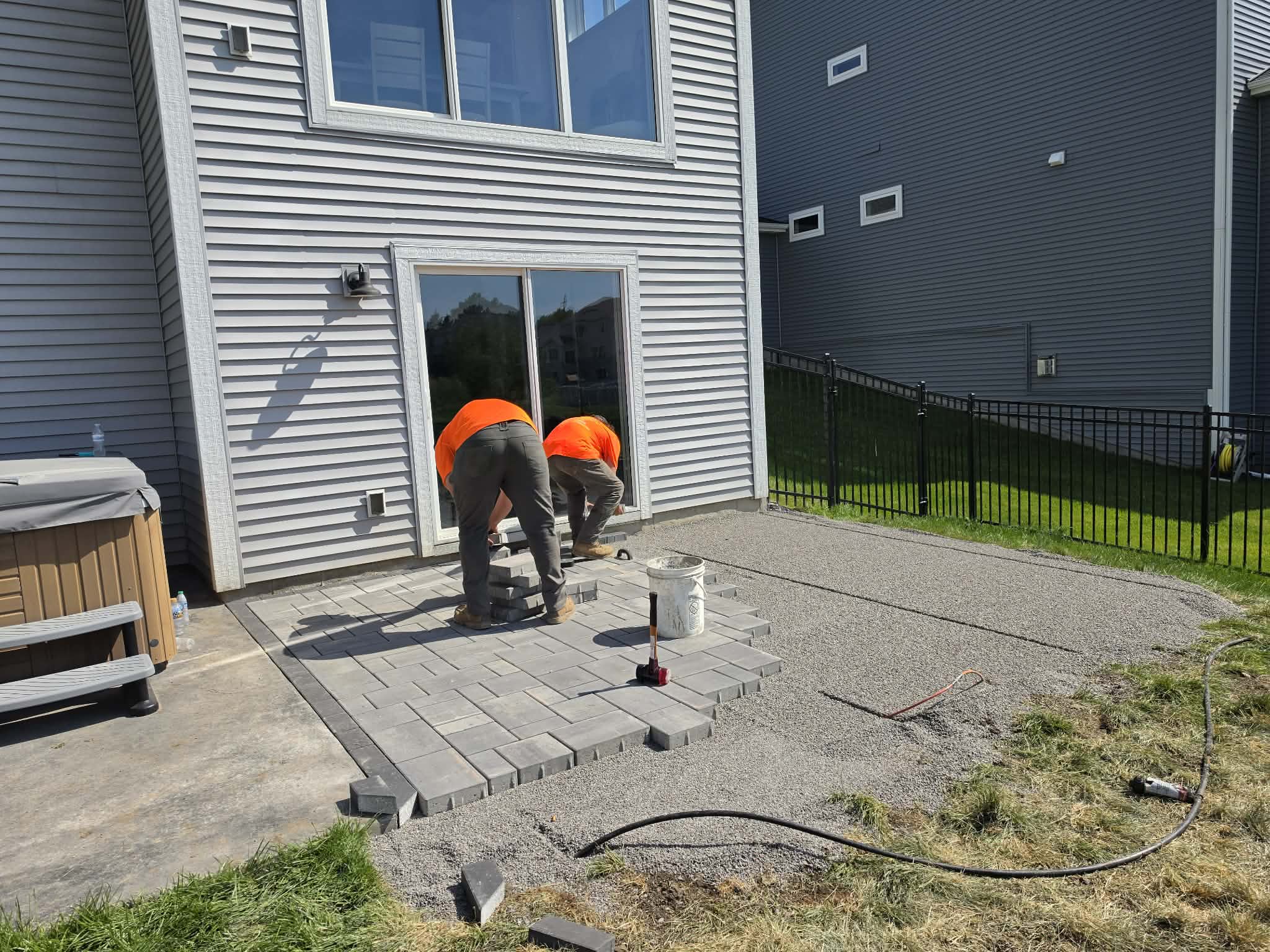
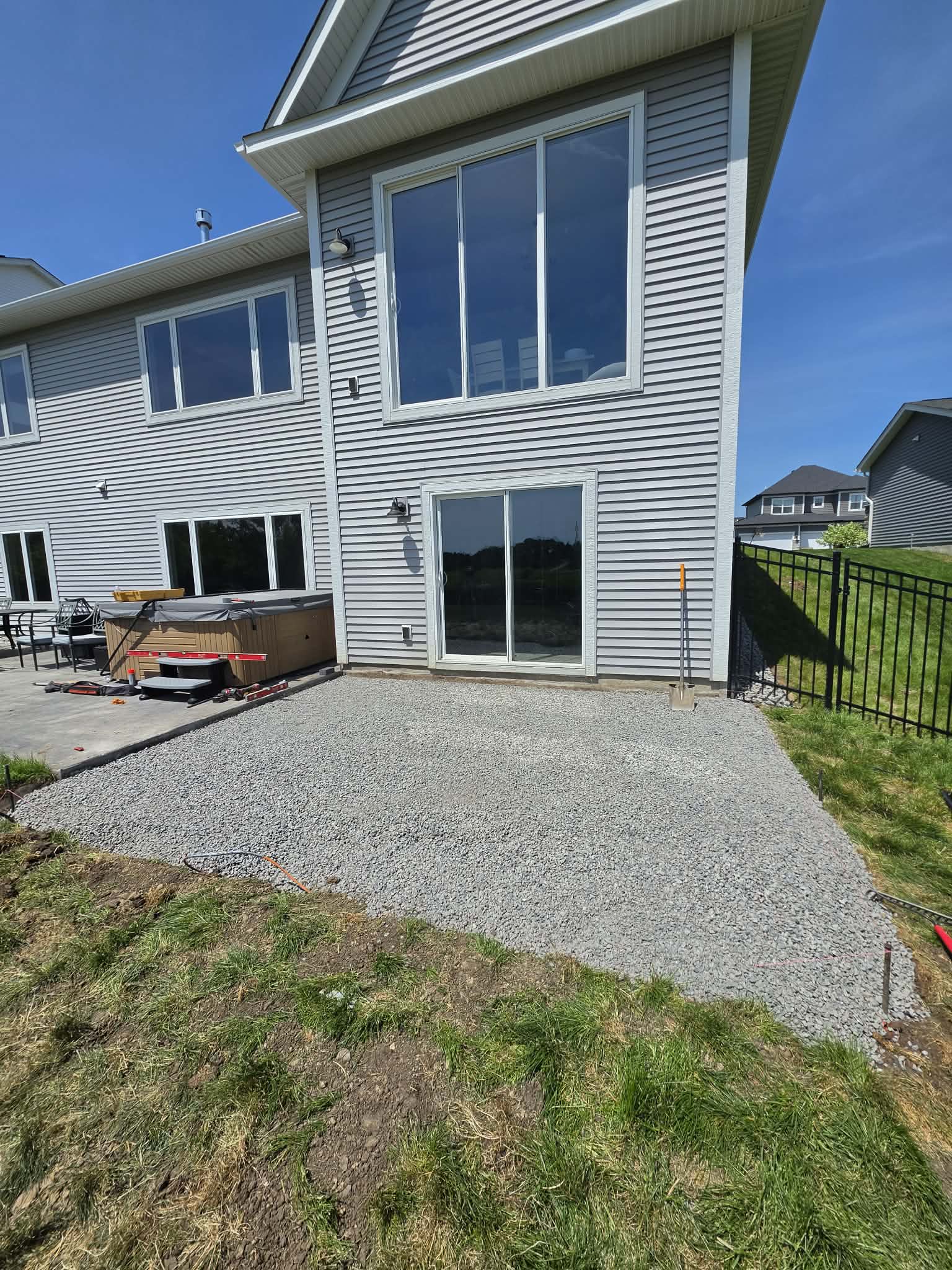
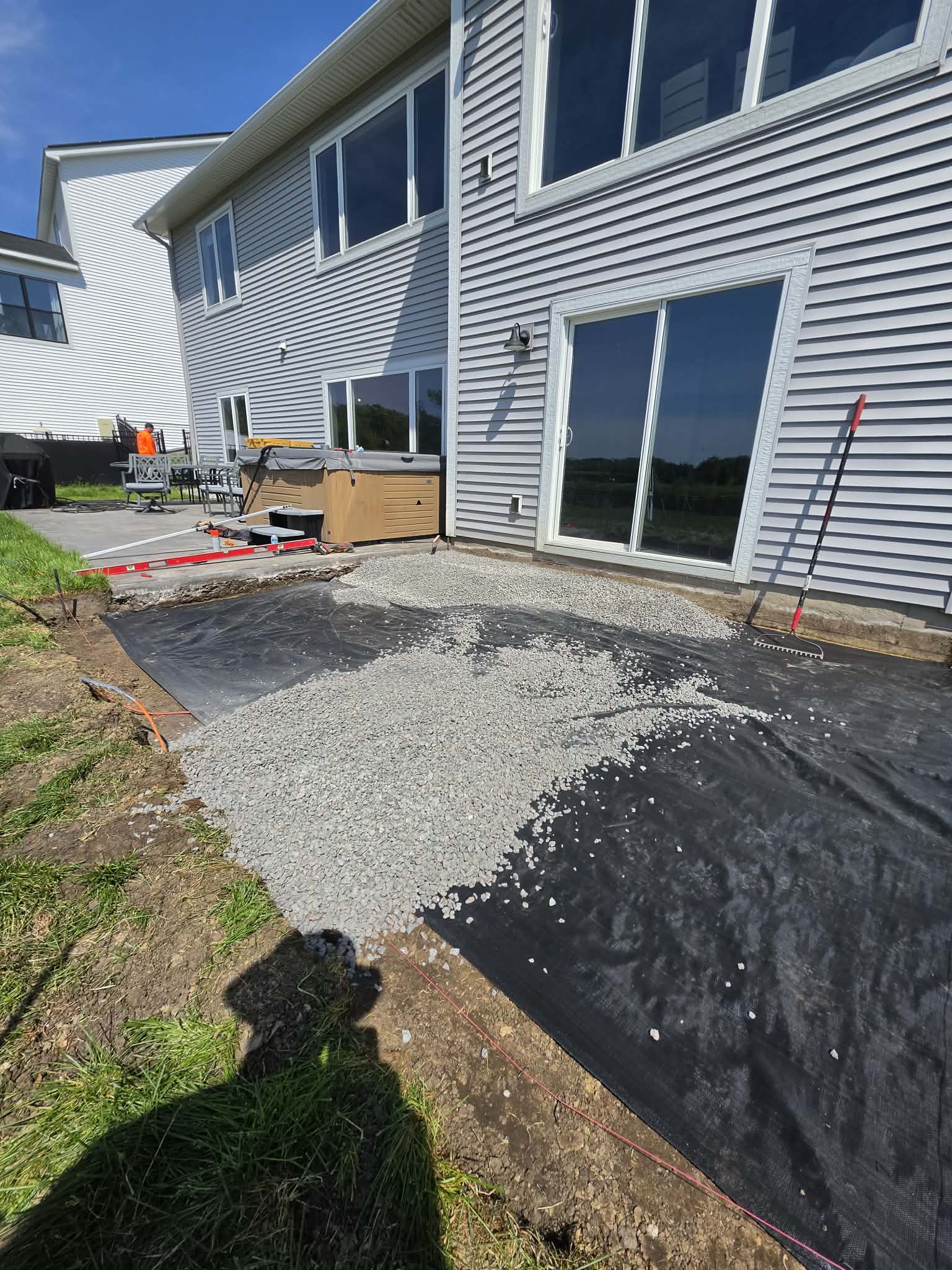
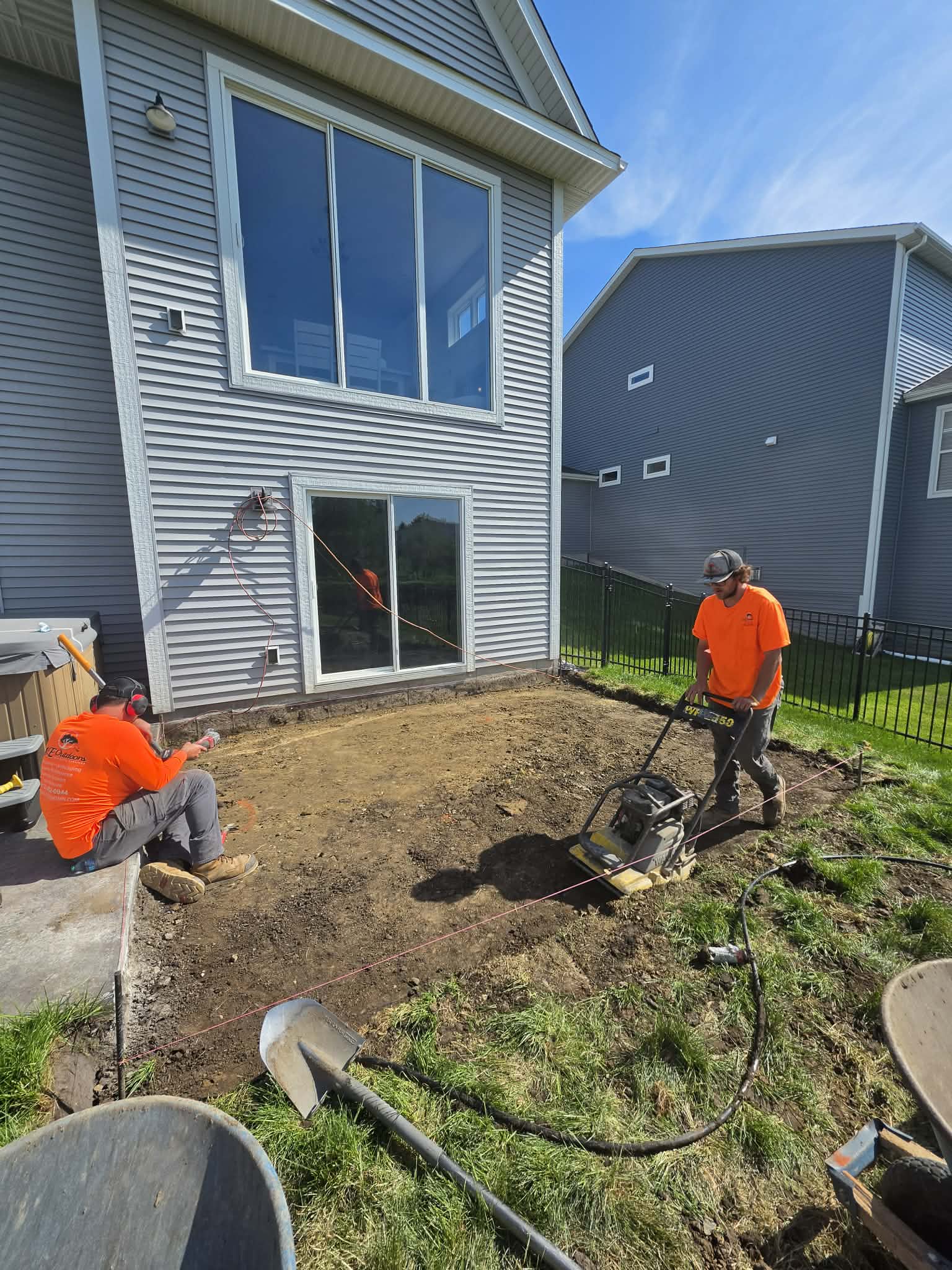
Here's what we were working with on this job. We started at ground level - literally. Excavating the subgrade, compacting the native soil, then laying down geotextile separation fabric before a single piece of base material went in. That fabric is one of those details a lot of guys skip. It keeps your base and your native soil from mixing over time, which is a big deal in Minnesota where the ground is constantly moving through freeze-thaw cycles.
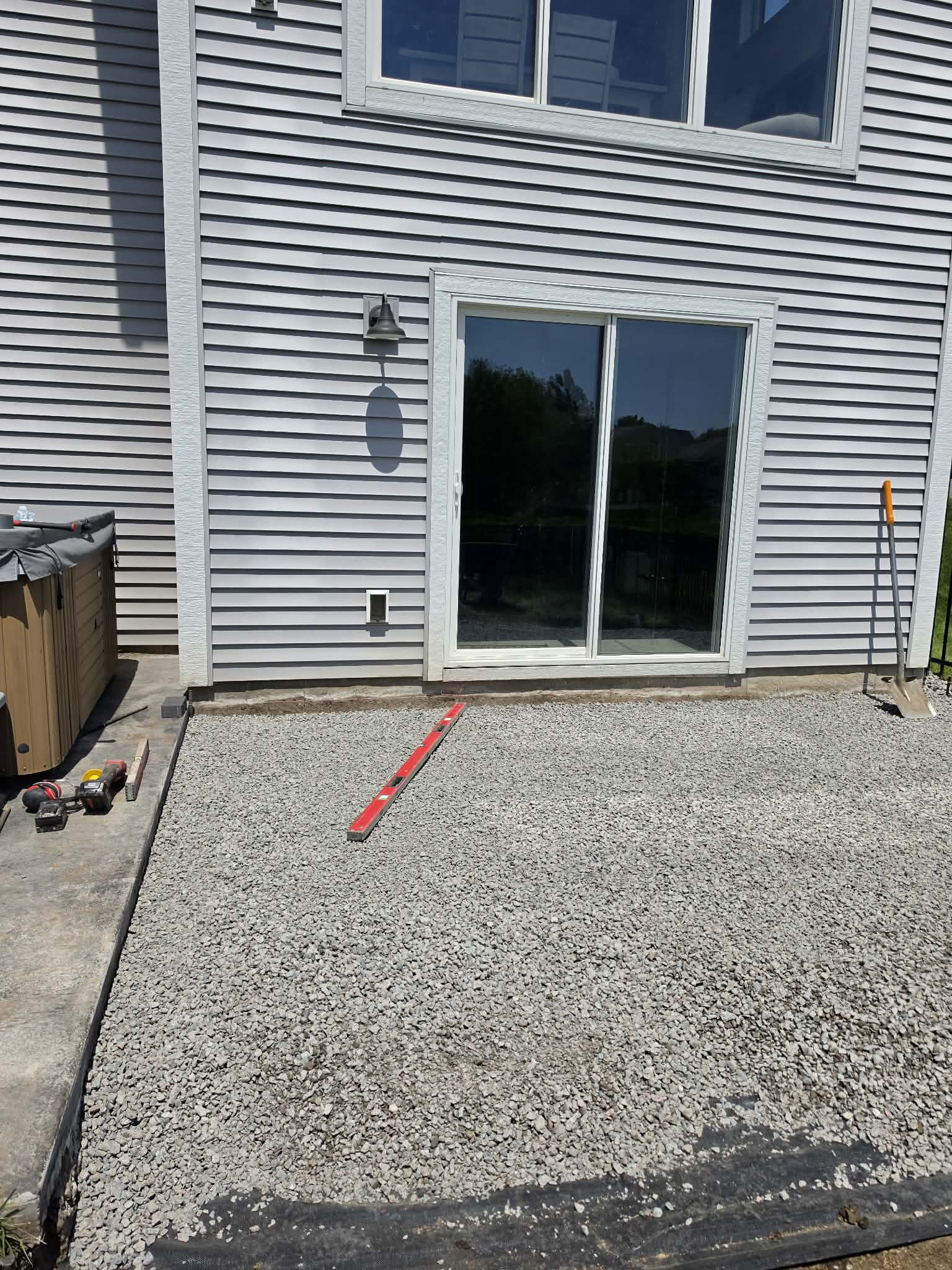
From there, we brought in compacted granite base material, spread and packed in lifts - not all at once. Each layer gets compacted before the next one goes down. It takes more time. It's also the reason patios we build don't settle and shift the way cheaper installs do. Once the base was dialed in and checked with a level, we set the screed layer and started laying pavers from the house outward, working section by section toward the edges.
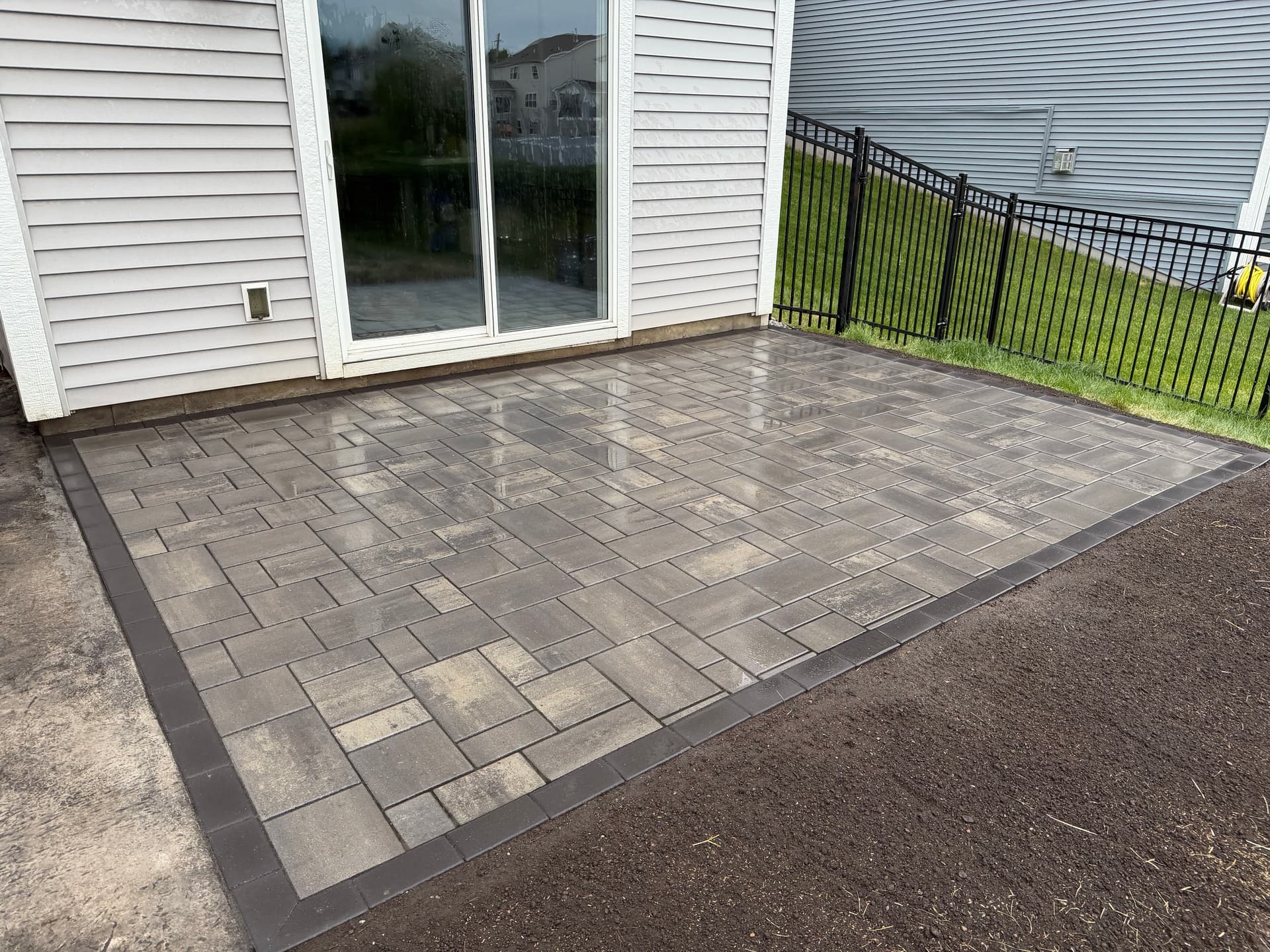
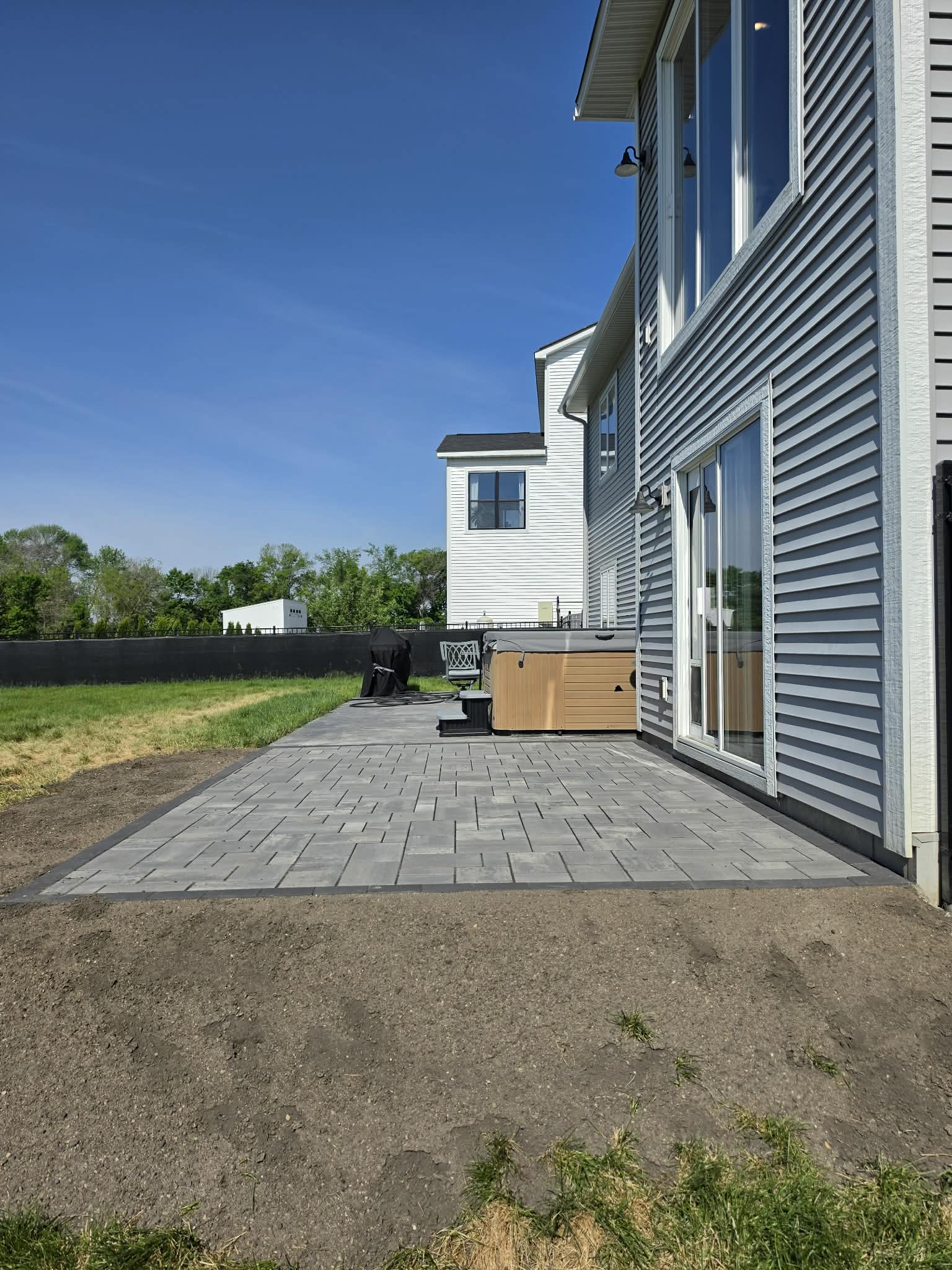
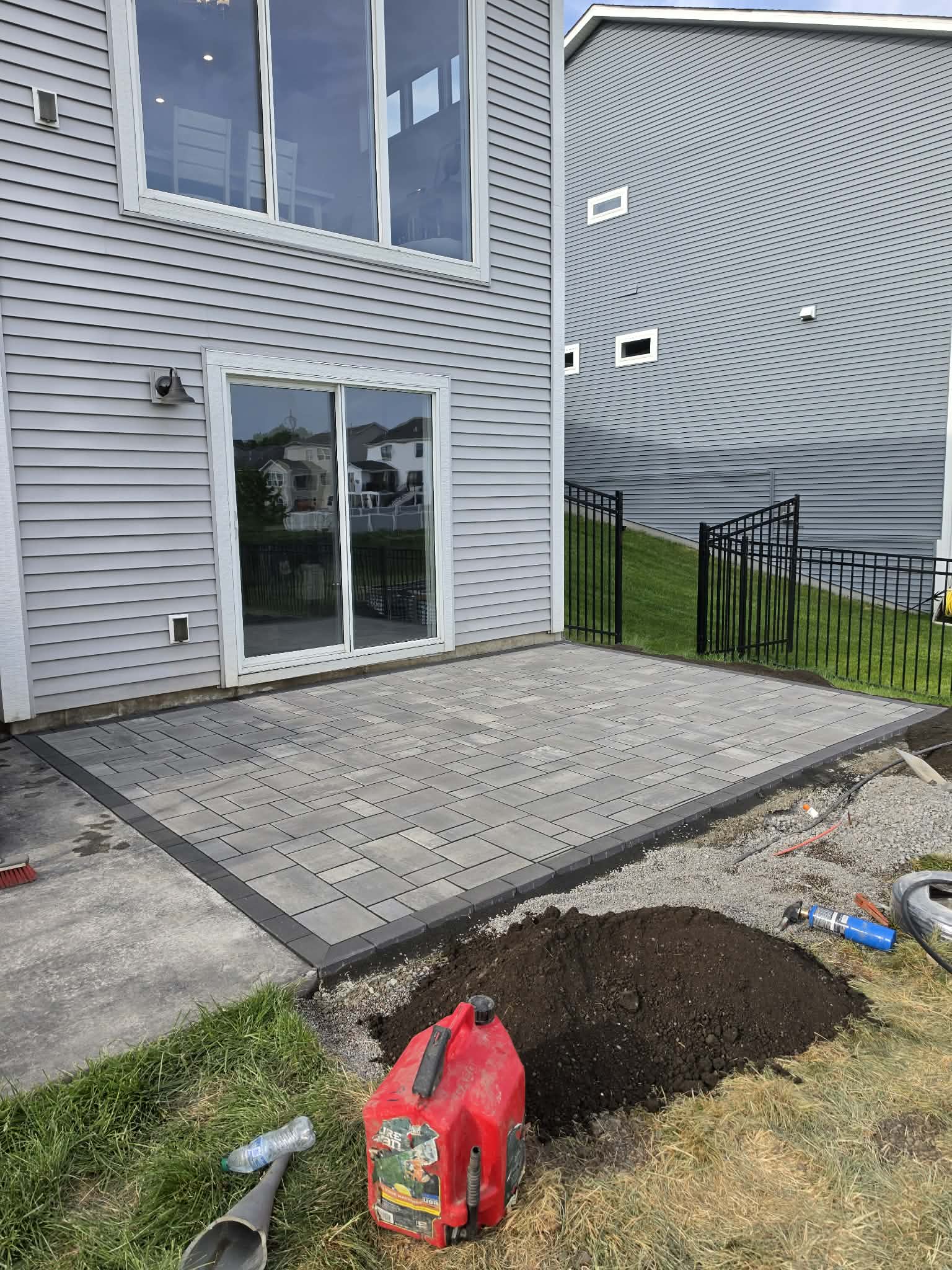
The finished patio came out clean. Tight paver-to-paver joints, a contrasting border running the full perimeter, and a surface that drains correctly and sits perfectly flat against the home. The sod was restored around the perimeter once we wrapped up. The whole backyard looks pulled together - patio, hot tub pad, lawn and all.
This is what proper hardscaping looks like when you follow the process. Every step underground is doing a job. Skip one of them, and it's only a matter of time before you see the consequences above grade.